
By Stephanie Chong | 24 October 2026 | 7 min read
Key Takeaways
In This Article
To choose a POS terminal in Malaysia, start with the payment methods your customers use, then check connectivity, portability, security certification, settlement arrangements, support and whether it works with your existing POS system. The best terminal is the one that fits how you sell, not the one with the longest feature list.
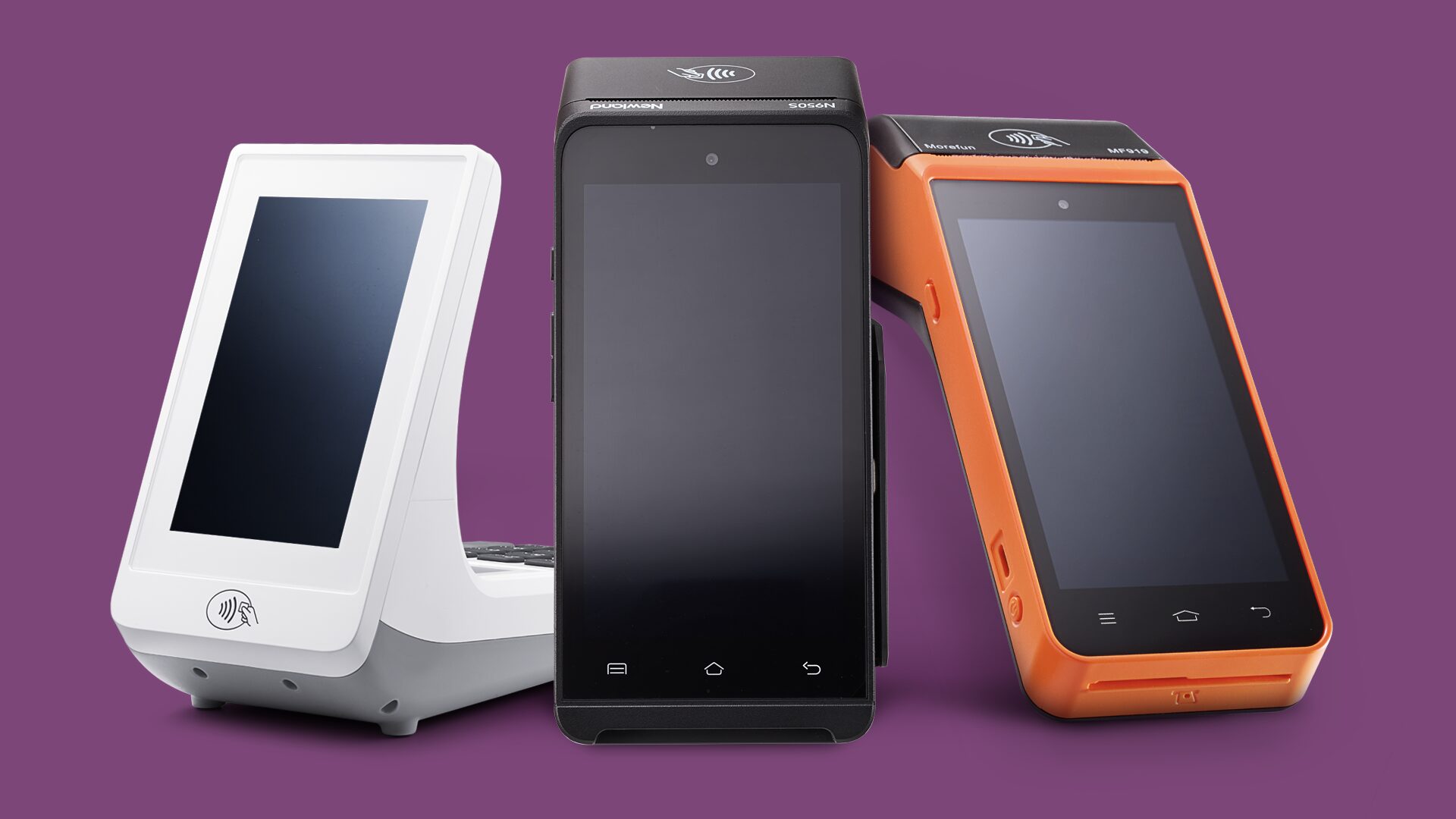
In this guide, a POS terminal means the card and e-wallet payment device at your counter, sometimes called a card terminal or EDC machine. Use the checklist below to compare options before you sign, whatever the size of your business.
At minimum, a terminal should accept the major international card schemes, Malaysia’s domestic debit scheme and the e-wallets and QR codes your customers already carry. Missing one popular method means turning away some customers at the till.
Ask for the list of accepted methods in writing, and check whether each one settles through the same account and appears on the same report.
Choose connectivity based on where payments happen and how reliable your internet is. A terminal with more than one option gives you a fallback when one connection drops.
During weekend peaks, a dropped connection costs real sales. Ask the supplier what happens if your primary connection fails and how quickly the terminal switches over.
A portable, wireless terminal lets you take payment wherever the customer is, while a fixed countertop setup suits single-till shops. Most businesses decide based on the moment of payment.
| Business type | Where payment happens | What to prioritise |
|---|---|---|
| Restaurants and cafés | At the table or counter | Portable terminal, fast contactless, e-wallets |
| Retail and fashion | Counter, sometimes on the shop floor during peaks | Card and QR acceptance, quick queue handling |
| Hotels | Front desk, outlets and rooms | International cards, UnionPay, Alipay |
| Valet and parking | Outdoors or kerbside | 4G connectivity, battery life, portability |
| Pharmacies and clinics | Dispensing or reception counter | Reliability, MyDebit and card acceptance |
| Furniture and electronics | Sales floor or delivery | Handling higher-value card payments securely |
Look for EMV certification, PCI compliance, encrypted transactions and automatic software updates. These protect your customers’ card data and reduce your exposure to fraud.
Two terminals that look identical can feel very different after a month of use, because of settlement and support. Confirm both before you sign.
If these questions feel unfamiliar, our guide to payment advisory services in Malaysia explains how an advisor handles them on your behalf.
You may not need to replace anything. If you already run a POS software system for orders and inventory, ask whether the payment terminal can work alongside it rather than forcing a switch.
Integration avoids double entry, where staff key the amount into the POS and again into the terminal, which is a common source of mismatches at day end. A good provider will tell you honestly whether a standalone terminal or an integrated setup suits you better, and what each involves.
Think one step ahead too. If you plan to add an online shop, loyalty vouchers or more outlets, pick a terminal and provider that can support those without starting again.
Take these questions into every sales conversation and score each provider on the answers. If a provider cannot answer one clearly, treat that as a gap.
| Question | Why it matters |
|---|---|
| Does it accept every card, e-wallet and QR method my customers use? | Each missing method is a lost or delayed sale. |
| Which connections does it support, and what is the fallback? | Outages during peak hours cost the most. |
| Is it EMV certified and PCI compliant, with encrypted transactions? | Protects customers and reduces fraud exposure. |
| How are software updates delivered? | Automatic updates avoid downtime and technician visits. |
| Which acquirer processes my payments, and when do I get settled? | Affects cash flow and who handles disputes. |
| Are all charges shared upfront, in writing? | Lets you compare total cost, not a headline rate. |
| Can it work with my existing POS system or website? | Avoids double entry and day-end mismatches. |
| Who sets it up, and who supports me after go-live? | Determines how quickly problems get fixed. |
Before committing, run a few test transactions in the real environment: tap a contactless card, scan a DuitNow QR code, pay with an e-wallet and print or send a receipt. Try it at the busiest spot in your premises, where the signal is weakest, and with the staff member who will use it most. Ten minutes of testing shows more than any specification sheet, and it gives your team a say in a tool they will use hundreds of times a week.
PM Advisors supplies smart all-in-one POS terminals that accept Visa, Mastercard, MyDebit, UnionPay, Touch ‘n Go eWallet, GrabPay, Boost, DuitNow and Alipay. They support 4G, Wi-Fi and Bluetooth, are wireless and portable, update automatically, and come with PCI compliance, EMV certification and encrypted transactions.
We also advise whether you need a new terminal or integration with your existing POS or website, and our team handles on-site setup. When you are ready to compare options, tell us about your business and we will recommend a setup to suit it.
A POS system is usually the software and hardware you use to record orders, prices and inventory. A POS terminal, also called a card terminal, is the device that accepts card, e-wallet and QR payments. Many businesses use both, and the terminal can often work alongside an existing POS system.
Most Malaysian merchants need Visa and Mastercard, the domestic MyDebit scheme, DuitNow QR and popular e-wallets such as Touch ‘n Go eWallet, GrabPay and Boost. Businesses serving tourists should also consider UnionPay and Alipay. Contactless card acceptance is now expected by most customers.
You need a portable terminal if payment happens away from a fixed counter, such as at restaurant tables, hotel rooms, events, deliveries or valet stands. A wireless terminal with 4G lets staff take payment where the customer is, which shortens queues and keeps cards in the customer’s sight.
With PM Advisors, once all required documents have been submitted, terminal setup usually takes about one month, subject to terms and conditions. Our team carries out the on-site setup at your premises so your staff can start accepting payments once you go live.
Card terminal payments are protected by industry-standard security measures. Look for EMV certification for chip card reading, PCI compliance for cardholder data protection, encrypted transactions and automatic updates. These features reduce the risk of counterfeit card fraud and keep your terminal’s security current.
About the author: Stephanie Chong
Stephanie Chong writes for PM Advisors on payments, merchant operations and cashless commerce in Malaysia. Her guides turn payment topics such as POS terminals, online payment gateways, e-vouchers and reconciliation into practical steps that business owners can act on.